Common Summer Lawn Problems in North Georgia (and How to Fix Them)
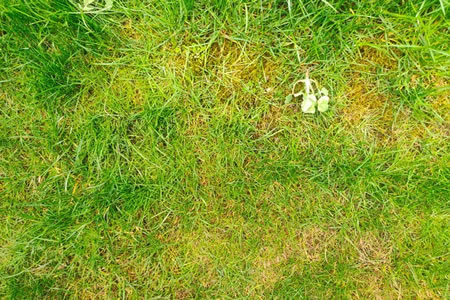
North Georgia summers bring thick humidity, afternoon pop-up storms, and long hot spells. That mix puts real pressure on Gainesville lawns. If you are noticing brown spots, thinning turf, or odd patterns in the grass, you are not alone. These are the most common summer lawn problems in North Georgia, and they show up fast once the heat settles in.
When problems appear, a professional eye matters. The specialists at Sandman Turf Pros diagnose the issue and put a plan in place before damage spreads. If you need targeted help fast, our team provides professional lawn disease control that addresses fungus and other causes of brown or dead patches.
What Summer Heat And Humidity Do To Gainesville Lawns
From late June through August, Gainesville lawns often face long stretches of warm nights and steamy afternoons. That environment speeds up disease cycles and stresses turf on the red clay soils around neighborhoods like New Holland and Mundy Mill. If you are new to dealing with summer lawn problems in North Georgia, know that timing and precision are everything once symptoms appear.
Moisture swings make it worse. A soggy week near Lake Lanier can be followed by a dry spell along Browns Bridge Road. That back-and-forth weakens roots and opens the door to fungus and pests that love warm, damp leaf blades.
Brown Patches And Fungal Outbreaks: Fast Action Matters
Brown patch and large patch often show as circular or crescent areas that look straw-colored or matted. On Zoysia and Bermuda, the circles can connect and turn whole sections tan seemingly overnight. These patterns are different from random drought browning because they have a defined edge and may feel a little slimy right after a rainy stretch.
Professional treatment focuses on identification, zone-specific applications, and changing the conditions that helped the fungus take hold. That can include adjusting how deeply water reaches the soil, improving airflow in dense turf, and using targeted products only where needed. With Gainesville’s humid climate, staying ahead of these cycles is the difference between a quick rebound and a summer-long struggle.
Drought Stress And Irrigation Problems
After a week of hot, dry weather, you might see a gray-blue cast on the lawn by late afternoon, then crunchy blades the next day. On Hall County clay, shallow roots show stress faster, especially on sunny slopes or along driveway edges in subdivisions off McEver Road. The fix is not “more water” across the board. It is a plan that delivers the right amount, at the right time, to the right zones.
Our team uses mapping, scheduling, and zone-by-zone checks to correct coverage issues and reduce runoff. When lawns need better balance, we guide homeowners toward smart water management so moisture gets below the surface and roots can hold color through tough stretches. This approach reduces disease pressure and keeps turf consistent from curb to fence line.
Insect Damage That Mimics Disease
Some pests chew and fade turf in ways that look like fungus at first glance. Armyworms can strip a patch of Bermuda almost overnight. Grubs feed on roots so the sod lifts like a loose carpet. Chinch bugs love hot, sunny spots and leave irregular, expanding patches that resemble drought scorch. Because these problems spread fast in our climate, quick identification by a pro is key. Treatments and timing vary by pest, grass type, and stage of life cycle.
Thin, Compacted Turf On Hall County Clay
Compaction is common on heavy red clay, especially along footpaths, play areas, and freshly built homes. Roots struggle to breathe, and the lawn thins, which invites weeds and disease. Professional relief focuses on opening the soil and improving the root zone so the grass can handle heat waves and sudden downpours. Building density is also your best long-term defense against pests and patch diseases that love weak turf.
Local insight: After a week of steamy afternoons and evening thunderstorms, watch for quick color changes along shaded edges and low spots near Lake Lanier. These areas trap moisture longer and are the first to show patch disease patterns.
How Pros Separate Similar-Looking Problems
Different issues can look alike in July. A trained technician checks the pattern, the feel of the thatch, the moisture in the root zone, and the history of the area. If two problems overlap, they sequence the plan so your lawn does not get pushed in the wrong direction. That is why a one-size-fits-all product approach rarely holds up in Gainesville’s humid summers.
What You Might Notice Before Damage Spreads
Early signs can save a season when a professional catches them in time. If you spot any of the below, a quick visit can prevent a small issue from turning into a full-lawn problem:
- Ring-shaped or crescent patches that expand after rainy, humid days
- Blades that turn gray-blue by afternoon and crunch underfoot the next day
- Irregular tan areas in hot, sunny sections that keep spreading
- Thin spots where soil feels hard and water beads on the surface
Why Gainesville’s Humid Climate Demands A Pro Strategy
Our part of North Georgia stacks the deck for disease. Warm evenings keep leaf blades wet longer. Afternoon storms splash spores from spot to spot. Then a dry week follows and the grass gets stressed all over again. A professional plan anticipates those swings so your lawn is ready before pressure peaks.
For more seasonal context, see our quick guide on beating the heat in the region: how to keep your lawn healthy in hot, humid Georgia summers. It explains how timing and moisture balance help the grass hold color when temperatures spike.
Brown Spots, Fungus, Or Pests: What Sandman Turf Pros Looks For
Our Gainesville team starts with a walk-through and a pattern check, then looks at turf density and recent weather. If disease pressure is active, we stage applications for best uptake and pair them with cultural changes that remove the cause. When pests are at play, we set a targeted plan that protects your grass and minimizes repeat pressure later in the season.
- Fungal pressure increases after warm, wet nights and heavy dew. We time treatments and adjust conditions so turf dries faster.
- Drought stress shows first on high spots and edges. We correct coverage and depth so roots can chase moisture below the surface.
- Compaction weakens defense. We open the soil and rebuild density so the lawn resists future outbreaks.
Where These Problems Show Up Around Gainesville, GA
Lawns near Lake Lanier’s breezy shoreline may green up earlier, but they also hold evening moisture a bit longer. Downtown Gainesville lots see more runoff after quick storms. Newer subdivisions with clay-heavy fills can compact fast after the first summer of play and traffic. Each site gets a slightly different plan so your results hold through August heat.
Stay Ahead Of Summer Trouble
The fastest path to a clean, even lawn is a focused professional plan built for North Georgia’s humidity. That plan may include turf health checks, moisture balancing, and periodic soil improvement. When roots are strong and the canopy is thick, lawns recover quickly from surprise storms and heat waves. If your yard needs deeper relief in stubborn zones, our crews align seasonal care with solutions like improved scheduling and zone audits so you see steady color across the whole property.
Your Best Move When Trouble Starts In Gainesville, GA
If you see odd circles, fast-spreading tan patches, or sudden thinning on slopes, let a pro take a look. The team at Sandman Turf Pros can assess pressure, pinpoint the cause, and apply what your lawn needs to recover. When fungus is active or likely to return, our lawn disease control service targets the problem and helps prevent it from flaring up again.
Ready for a healthier, more resilient yard this summer? Call 770-218-3030 to schedule your visit. For drought swings and runoff concerns, we also dial in watering plans with smart water management so moisture gets where it should and disease pressure stays low.
Why Homeowners Choose Sandman Turf Pros For North Georgia Summers
Local experience matters. Our Gainesville crews work lawns across Hall County every week and understand how clay soils, wind off the lake, and humid nights change what the turf needs. We back our recommendations with a season-long plan built to stand up to heat, storms, and pest cycles common to our area.
With a clear assessment, tailored applications, and steady monitoring, your lawn can hold color and density through the toughest months. That is how neighbors in Oakwood, Flowery Branch, and across Gainesville keep their yards picture-ready for cookouts and back-to-school photos.
Make This The Summer Your Lawn Wins
Stop chasing symptoms and get a plan that fits our climate. Talk with Sandman Turf Pros about a season-long approach that strengthens roots, evens out color, and keeps patches from returning. When you want results that last, trust the local team that knows North Georgia turf inside and out.
Next step: book your assessment and let our specialists protect your investment with targeted treatment. Start here with expert lawn disease control from Sandman Turf Pros.
Love Your Lawn Again With Our Local Lawn Care Specialists!