How Often Should You Water Your Lawn in Georgia Summers?
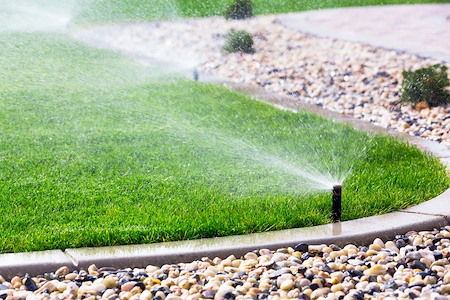
Hot, humid summers in North Georgia can stress even the toughest turf. If you have wondered how often to water grass in Braselton, GA, you are not alone. The right schedule depends on heat, recent rainfall, and your soil. This guide explains simple, reliable patterns you can use to protect your yard and get better color with less waste. For hands-off results, our team at Sandman Turf Pros provides targeted water management that keeps your lawn consistent through heat waves.
Braselton sits where red clay meets rolling piedmont hills. Neighborhoods like Chateau Elan, Mulberry Park, and the areas along Thompson Mill Road often see high sun and afternoon pop-up storms. That mix calls for a plan that respects how water moves through clay and how warm-season grasses behave in July and August.
Why Georgia Summer Heat Changes Your Watering Plan
When daytime highs push past 90, turf needs steady moisture in the root zone, not quick splashes on the blades. Evaporation speeds up in direct sun and with warm winds across open lots near I‑85. Clay soils hold water longer but drain slowly, while sandy pockets around new construction lose moisture fast. A smart plan gives roots what they need without drowning them.
Here is the simple truth: healthy roots drink more and waste less. That is why pros focus on soil and timing. **Water deeply, not daily.** Short, frequent watering can leave roots shallow and more likely to burn in August.
Simple Weekly Watering Schedule By Heat And Soil Type
Use these ranges to set expectations during Georgia’s peak summer. The goal is steady soil moisture that fuels growth without runoff. Actual needs shift with sun exposure and mowing height, so think of this as a reliable baseline you can fine-tune with a pro visit.
- Highs 85–89 with less than 0.5 inch of rain: about 0.75–1 inch of water per week
- Highs 90–95 with spotty showers: about 1–1.25 inches per week
- Highs 96+ or extended dry spell: about 1.25–1.5 inches per week
Soil affects how you split that total:
Clay-heavy yards common around Braselton handle fewer, deeper sessions. Aim for two main cycles to reduce runoff. If water begins to sheen or pool, pause and let it soak before finishing. **Call a pro if you see runoff or pooling** even with careful scheduling.
Sandy or disturbed soils near new builds benefit from lighter, more frequent cycles to keep moisture in the root zone. Three shorter sessions often outperform one long soak.
Warm-season grasses like Bermudagrass and Zoysia prefer this pattern in summer. Tall fescue in shaded spots needs gentler moisture but still follows the weekly totals above when heat rises.
Local insight: In Braselton’s humidity, evening water can linger on blades and invite disease after sunset. Aim for early morning schedules so the lawn dries by mid-morning and roots get the full benefit before heat builds.
Rainfall And How To Adjust Without Guessing
Summer storms around Braselton, Hoschton, and Flowery Branch can drop an inch on one street and skip the next. That is why adjustment matters. If your lawn receives a solid inch of rain in a week, reduce or skip supplemental irrigation. **Skip watering after heavy rain** so roots can breathe. If rain totals are light or scattered, resume your plan at the next cycle.
Watch how long the soil stays slightly damp two inches down. Clay will hold moisture longer, so give it time before the next session. Sandy areas dry sooner, so you may split the same weekly total into more, shorter cycles. If you want an expert to calibrate this for you, Sandman Turf Pros offers practical water management as part of our local service approach.
Soil And Grass Types That Shape Water Use In Braselton
North Georgia lawns vary a lot from lot to lot. Here is how common lawn types in the Braselton area behave in peak heat:
Bermudagrass: Loves sun and recovers fast from foot traffic near play areas or back patios. It thrives with deeper sessions that deliver the weekly total in two or three cycles.
Zoysia: Dense and beautiful in neighborhoods like Chateau Elan, but can be sensitive to standing moisture. Keep the same weekly inches, yet avoid long, soggy sessions.
Tall fescue: Often tucked into shaded side yards. It struggles in extreme heat, so maintain steady moisture without saturating the soil. A modest, even schedule helps it ride out August.
Clear Signs You Are Overwatering Or Underwatering
Overwatering and underwatering both cause stress, but the clues look different. Spot them early to protect your turf during the hottest stretch of the year.
- Overwatering red flags: spongy feel underfoot, mushrooms, algae on soil, grayish leaf color, and foul odor from low spots
- Underwatering red flags: footprints or mower tracks remain visible, blades fold lengthwise, bluish or dull green color, and soil pulls away from edges
If you notice these patterns along Friendship Road or in high-sun cul-de-sacs, it is time to tune your schedule. **Watch for fungus in humid nights** when days are above 90 and dew lingers at dawn.
Timing, Sun Exposure, And Slope
Early morning watering helps more moisture reach roots before evaporation ramps up. South-facing slopes in Braselton lose water faster and may need a touch more of the weekly total than shaded backyards. Long, narrow strips along driveways or sidewalks heat up and dry quickly. On steep slopes, shorter cycles reduce runoff and keep water where roots can use it.
How We Keep Lawns Consistent In Peak Heat
Homeowners want a lawn that looks even from the sidewalk to the back fence. Sandman Turf Pros focuses on three essentials: soil-first planning, heat-aware scheduling, and careful observation. We match weekly water to the week’s forecast and what your soil can hold. Then we verify results in the turf, not just at the sprinkler head. That is the heart of professional water management, and it pairs perfectly with our broader lawn care services across Braselton and nearby towns.
Need more seasonal reading? Browse our latest lawn care tips to understand how mowing height, aeration timing, and seasonal nutrition support healthy water use without waste.
Practical Summer Targets That Work In North Georgia
Use this as a playbook you can trust when July and August turn up the heat:
When highs sit in the high 80s with spotty showers, keep the total near one inch for the week. Split it into two sessions for clay or three for sandy patches. If a storm delivers half an inch on your side of Highway 211, trim your next session so the weekly total stays in range. After a full inch of rain, let the soil drain and reassess before watering again.
During a heat dome with highs above 95, push toward the top of the range, up to about an inch and a half per week, but protect soil structure. Break sessions to prevent runoff and give clay time to absorb. In mixed yards, you may balance a deeper main cycle with a brief touch-up on sunny strips that dry fastest. The aim is even color and steady growth, not puddles.
Why Less Can Be More In Humid Summers
In Braselton, the air often stays humid through the night. Water that sits on blades can set the stage for disease. That is why timing and volume matter as much as totals. Light daily spritzing invites shallow roots and brown patch on Zoysia. Deep, spaced-out sessions are safer for the plant and your water bill. When the plan is right, the lawn bounces back from footprints by late morning, and color holds between cycles.
Neighborhood Nuances We See All Summer
Yards near wooded edges along the Mulberry River hold moisture longer than wide-open lots by the golf course. Newer homes with imported topsoil may behave sandy for a season or two until organic matter builds. Corner lots get more wind and sun, which speeds drying. We account for these micro-conditions during service visits so your schedule is not a guess. When in doubt, small adjustments beat big swings.
Avoiding Waste Without Sacrificing Curb Appeal
Every gallon should move roots, not run down the curb. That is why pros measure success by turf response. If you are seeing water slicks rolling into the street after ten minutes, the soil is saying slow down. If color fades across the hottest part of the yard while shaded edges stay lush, shift a bit of the weekly total where the sun hits hardest. Little changes, consistent over time, make a big difference in Georgia summers.
Let A Pro Manage The Variables For You
Heat, rain, soil, sun, slope. They all change through the season. With professional oversight, your plan adapts before stress shows up. Sandman Turf Pros tunes schedules around real weather and real soil behavior, then watches for signs of overwatering to protect your investment. If you want reliable results with less worry, our team is ready to help by phone at 770-218-3030 or online through our service pages.
Ready For Consistent Color In The Heat?
Keep your lawn strong through the hottest stretch of the year. Talk with a local expert who knows Braselton’s soils and summer storms. Schedule professional water management with Sandman Turf Pros today, or explore more guidance starting from our home base at Sandman Turf Pros.
When you are comparing options or sharing this article with a neighbor, you can always come back to our main site from this anchor text: how often to water grass in Braselton, GA. We are here to help you plan a safe, efficient schedule that avoids waste and keeps turf healthy all summer long.
Love Your Lawn Again With Our Local Lawn Care Specialists!