Preparing Your Sports Fields for Spring in Gainesville, GA
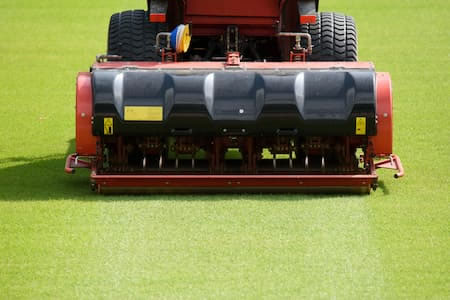
February is the window to set up your fields for a strong season. In Gainesville, GA, cool nights, wet spells, and heavy clay soils leave many fields compacted. Early-season sports field aeration helps roots breathe, boosts nutrient uptake, and supports safer play as spring schedules kick in.
Below is a practical, pro-only roadmap Sandman Turf Pros uses to get municipal parks, school grounds, and league facilities around Lake Lanier, New Holland, and Chicopee Village ready for opening day.
Why February Field Work Matters
Late winter work creates a cushion of time before athlete traffic ramps up. Soil structure has time to stabilize. Fertilizer has time to work. Weed pressure is easier to manage before temperatures jump and seeds germinate. Starting in February also gives crews room to recheck high-wear zones along sidelines, goal mouths, baselines, and between the hashes.
Aeration: The Foundation Of Spring-Ready Turf
North Georgia’s clay compacts fast. That traps water at the surface and starves roots of oxygen. Professional core aeration opens channels so air, water, and nutrients move deeper. The result is thicker, more resilient turf that holds paint and resists wear.
For high-traffic fields in Gainesville, we target heavier patterns on center stripes, goal areas, and base paths, and lighter patterns where traffic is minimal. Pairing core removal with cleanup and topdressing creates a smooth surface and improves footing for athletes.
If you’re curious about the agronomic benefits beyond playability, this quick read breaks it down in plain language: importance of aeration.
Fertilization: Feeding Roots For Fast Recovery
Strong fields recover faster between games and practices. A balanced, pro-applied program supplies nutrients timed to turf growth. A light, well-tuned February application supports root vigor and spring green-up without pushing soft, tender growth that scuffs easily.
When you coordinate fertility with aeration, nutrients reach the root zone more efficiently. That synergy helps thicken weak areas along midfield and common slide zones. See how our team approaches nutrition by reviewing our fertilization program.
Weed Control: Getting Ahead Of Spring Pressure
Pre-emergent control in late winter reduces spring breakouts from annual weeds that love thin turf. Pros time pre-emergents around soil temps, rainfall, and field schedules, then spot-treat escapes with selective post-emergents that protect desirable grasses.
Thicker turf is still your best defense. Aeration and feeding make it harder for weeds to take hold. Consistent mowing heights and clean edges along warning tracks and sidelines round out the plan.
Surface Smoothness And Player Safety
Uneven fields increase trip risk and change ball roll. After core aeration, targeted topdressing helps level shallow depressions and improves drainage patterns. Crews also address seams where infield meets outfield, worn arcs around bases, and divots in goal mouths. A smooth, uniform surface keeps play predictable and reduces unnecessary stress on ankles and knees.
Moisture Management Between Fronts
Gainesville can swing from soggy to breezy-dry in the same week. Pros monitor moisture so roots never sit drowned or parched. Improved infiltration from aeration helps shed excess water after storms, while deeper roots make better use of dry spells. Irrigation checks in February confirm coverage, head alignment, and controller settings before practices stack up.
High-Use Zones: Where To Focus Extra Attention
Every field has hotspots. We map and prioritize these areas so they get more passes, more cores, and tighter follow-up. Typical hotspots include:
- Goal mouths and penalty spots on soccer fields
- Between the hashes and along numbers on football fields
- Base paths, leads, and bullpen areas on baseball and softball fields
- Bench and sideline entry points where foot traffic concentrates
Addressing these zones early prevents small bare spots from becoming large safety issues in March and April.
February Checklist For Gainesville, GA Sports Fields
- Schedule core aeration for sports fields to relieve compaction and improve drainage.
- Apply a professional, balanced fertilizer tuned to turf type and traffic.
- Put down pre-emergent control where appropriate; plan post-emergent follow-up.
- Topdress selectively to smooth seams, lips, and high-wear divots.
- Audit irrigation coverage and fix misaligned heads before practice loads increase.
- Repaint worn safety lines only after surfaces are dry and firm.
How This Plan Fits Gainesville’s Spring Timeline
Most school and rec leagues in Hall County ramp up practices before the clocks change. Getting the heavy lifting done in February gives your turf time to settle and strengthen. It also creates a buffer if weather pushes you off the field for a few days.
Facilities near Lake Lanier and along Browns Bridge or Dawsonville Highway tend to hold water longer after rain. That’s another reason to front-load aeration and smoothing now, so minor puddles don’t become recurring muddy spots.
Playability, Presentation, And Peace Of Mind
Healthy turf plays better and looks better. It also helps coaches focus on athletes instead of field recovery. With a February push, surfaces resist divots, ball hops stay true, and crews spend less time chasing weeds and thin patches when the schedule gets busy.
For organizations comparing vendors, choose a partner that documents field conditions, sets clear targets for compaction and coverage, and communicates around weather windows. Consistency beat heroics every time.
Common Pitfalls To Avoid
Skipping aeration until late spring often backfires, because compaction is already baked in by then. Over-applying fertilizer can force soft growth that tears under cleats. And painting while the surface is damp locks moisture against leaves, which weakens turf. When in doubt, protect the root zone first.
Who We Serve Around Gainesville
Sandman Turf Pros supports school systems, parks departments, and youth leagues across Gainesville, Flowery Branch, Oakwood, and nearby communities. We plan around bell schedules, game days, and tournament weekends so your fields are ready when athletes are.
If you need a single point of contact for turf health, scheduling, and reporting, we’re here to help. You can always reach our team at 770-218-3030.
Ready To Kick Off Your Season
By aligning aeration, fertilization, and weed control in February, you reduce spring surprises and protect your players. For a full-season plan and a smooth start, learn how our crew handles sports field maintenance in Gainesville, GA from the first whistle to the last out.
Want surfaces that recover faster after practice and hold up through playoffs? Ask about core schedules and targeted smoothing that match your sport and traffic patterns. Small, timely steps now prevent big setbacks later.
Final tip: confirm access points and equipment routes before work begins so carts and topdressers avoid fragile zones. That one change preserves density where athletes cut and plant.
When your fields need dependable footing and healthier turf this spring, our team is ready to help you plan and execute. Review our approach and see how we tailor patterns for each facility with core aeration for athletic fields, then schedule spring sports field aeration with Sandman Turf Pros.
Love Your Lawn Again With Our Local Lawn Care Specialists!