Top 5 Signs Your Lawn Needs Aeration in Gainesville, GA Right Now
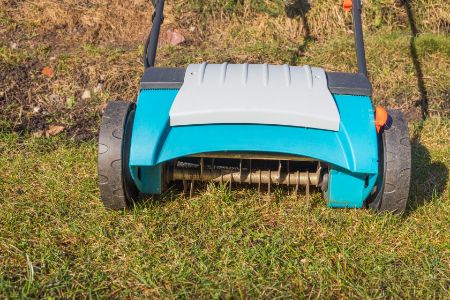
If your grass looks tired even after rain or watering, your soil may be choking the roots. Homeowners across Gainesville, GA see this when red clay compacts and blocks air, water, and nutrients. The fastest way to restore healthy growth is professional aeration from a trusted local team.
This guide explains the top five warning signs so you can act with confidence. You will see how Gainesville weather, slopes near Lake Lanier, and busy yards in neighborhoods like New Holland and Chicopee make aeration more urgent at certain times of year. When you spot these signs, scheduling service prevents bigger problems and brings back the thick, green curb appeal you want.
What Lawn Aeration Is And Why Gainesville Lawns Need It
Aeration opens thousands of small channels in the soil so roots can breathe. In our red clay, everyday foot traffic, mowers, and summer storms press soil particles tight. That pressure squeezes out pore space and starves roots of oxygen.
Once compaction sets in, water beads on top, fertilizer stays at the surface, and roots stay shallow. After a timely visit from Sandman Turf Pros, lawns in Gainesville respond fast because the soil finally lets essentials move down to the root zone. Compacted clay suffocates roots, so relieving that pressure is the key to lasting color and density.
Sign 1: Water Pools Or Runs Off After Rain
After a Gainesville thunderstorm, healthy turf should absorb moisture within a short window. If you see puddles that linger in low spots or water racing off slopes toward drives and sidewalks, the soil below is likely tight. This is common on hilly streets near the lake and on newer lots where fill soil sits under a thin top layer.
Pooling and runoff do more than waste water. They set the stage for disease and weak roots. **If puddles keep returning after normal rainfall, the soil needs relief** so water reaches where it is useful. Aeration reopens pathways so storms feed the lawn instead of the gutter.
Sign 2: Grass Thins In High‑Traffic Areas
Thin strips near gates, play areas, trash can paths, and mailbox corners are classic signs of compaction. Repeated footsteps squeeze the same lines week after week. You may also notice the mower leaving slight ruts on soft days, then the area browning first in heat.
The grass is not just worn on top. The root zone below is pinched and shallow, so blades cannot recover. Aeration targets these compacted lanes first, then the rest of the yard, so new roots can spread evenly and fill bare seams across your Gainesville property.
Sign 3: Soil Feels Hard And Cracks In Dry Spells
Walk across the yard after a few warm, dry days. If the surface feels like a patio and hairline cracks appear, that is a compaction red flag. Gainesville’s red clay can set up like brick when it loses pore space. Even steady irrigation may not help if water cannot pass through the crust.
Hard, crusted soil blocks tender new roots from pushing deeper. Aeration breaks the surface tension and invites moisture back into the profile. Once air and water return, roots travel farther and hold color through the next heat wave.
Sign 4: The Lawn Feels Spongy From Thatch Buildup
A light cushion is normal, but a springy, bouncy feel underfoot suggests a thick thatch layer. When that layer traps water at the surface, blades look fine in the morning then fade by late day. You might also notice dew or irrigation lingering on top while the soil below stays dry.
Excess thatch builds faster in compacted lawns because organisms that break it down need air. Aeration increases oxygen where it matters, supports healthy soil biology, and helps moisture move past that spongy mat so roots get an even drink.
Sign 5: Fertilizer And Water Do Less Than They Used To
If you keep up with watering and nutrition yet the lawn still fades, roots may be stuck near the surface. Nutrients cannot help if they are stranded above a tight soil layer. You may even see granules after a rain because they had nowhere to go.
Aeration changes the math. Channels pull water and nutrients into the root zone where grass can use them. Within weeks, Gainesville homeowners often notice deeper color, fewer hot spots, and steadier growth between storms.
Local tip: In Gainesville, the best results come when aeration happens during active growth, typically in spring or early fall. Timing with your grass type and weather pattern helps the lawn heal quickly and thicken before peak summer stress.
Ask Sandman Turf Pros to align aeration with your seasonal plan so every drop of water and every nutrient works harder.
When To Act In Gainesville, GA
Because Gainesville sits in a transition zone, some homes have warm‑season turf, while others keep cool‑season patches. Both benefit from aeration when grass is actively growing. That way, roots quickly fill new openings and the surface recovers fast.
Watch your yard after typical August pop‑up storms and during busy fall weekends. If puddles linger, traffic lanes stay bare, or the soil feels rigid, it is time to act. The sooner you relieve compaction, the sooner your lawn can bank moisture and nutrients for steady color.
What You Gain From Professional Aeration
Hiring a local crew brings consistency and coverage that a quick pass cannot match. Trained technicians read moisture, adjust equipment, and add targeted attention where traffic is highest. That precision turns a once‑a‑year service into season‑long results for Gainesville lawns.
- Better water infiltration that cuts puddles and runoff
- Deeper roots that carry color through heat and dry spells
- Stronger, thicker turf that resists weeds and wear
- Improved nutrient uptake from your existing program
Pairing services can amplify gains. After coring opens the soil, adding a light dressing helps level minor lows and feeds young roots. Learn how these services work together by reviewing the details of topdressing and planning the sequence with your technician.
How Gainesville Weather And Soil Make Aeration Essential
North Georgia’s rhythm brings warm afternoons, quick downpours, and humid nights from late spring into early fall. On slopes near Lake Lanier, water often beads and slides before it can soak in. In older neighborhoods with mature oaks, shaded corners may stay damp, then crust after the sun returns.
Compacted clay magnifies every swing. Heavy rain compacts wet ground. Dry spells lock it tighter. **Aeration resets this cycle** by restoring pore space so the lawn handles both rain and heat with less stress.
Self‑Identify Problems Without Guesswork
Use your eyes and feet to read your lawn’s story. Do you see water standing by the patio the day after rain? Are the side‑yard cut‑throughs always thin? Is the soil hard in the afternoon but muddy after storms? These patterns point to compaction more than anything else.
When in doubt, start with soil. A single, well‑timed service lets roots push deeper, which makes every other part of your plan more effective. You will notice fewer brown corners, richer color, and a yard that handles weekend traffic without falling apart.
Why Choose Sandman Turf Pros For Aeration In Gainesville
Sandman Turf Pros focuses on Gainesville lawns, which means we understand Hall County’s clay, slopes, and storm patterns. Our crews bring pro equipment and local judgment to reach full, even coverage across open areas and tight side yards. We also design visits around your grass type and season so recovery is quick and consistent.
Homeowners call because they value a smooth, stress‑free day of service and reliable follow‑through. If you see pooling water, thinning grass, or stubborn hard soil, do not wait. The sooner you relieve compaction, the sooner your turf can bounce back.
Your Next Step For A Healthier Lawn
If the signs in this article sound familiar, explore what is included with our aeration service and schedule a visit that fits your season. You can also learn more about lawn aeration in Gainesville, GA as part of a complete care plan that keeps results steady all year.
- See fewer puddles and faster dry times after storms
- Protect high‑traffic areas near gates, play sets, and walkways
- Help fertilizer do its job by moving nutrients to the roots
Ready to get started? Call 770-218-3030 to talk with a Gainesville specialist at Sandman Turf Pros. For a deeper look at what we do, review the service details on our dedicated page for aeration and see how quickly your lawn can recover.
Love Your Lawn Again With Our Local Lawn Care Specialists!